

Definition of LED Driver
The Role and Importance of LED Drivers in LED Lighting Systems
LED drivers play a vital role in LED lighting systems. They maintain a balance of current and voltage, which is critical to preventing thermal damage to LEDs and ensuring that they operate at peak efficiency.
Without the right LED driver, LEDs are susceptible to power fluctuations, resulting in inconsistent brightness, color shifts, flickering, and potential damage. Therefore, a good LED driver is essential to the life and performance of any LED lighting system.
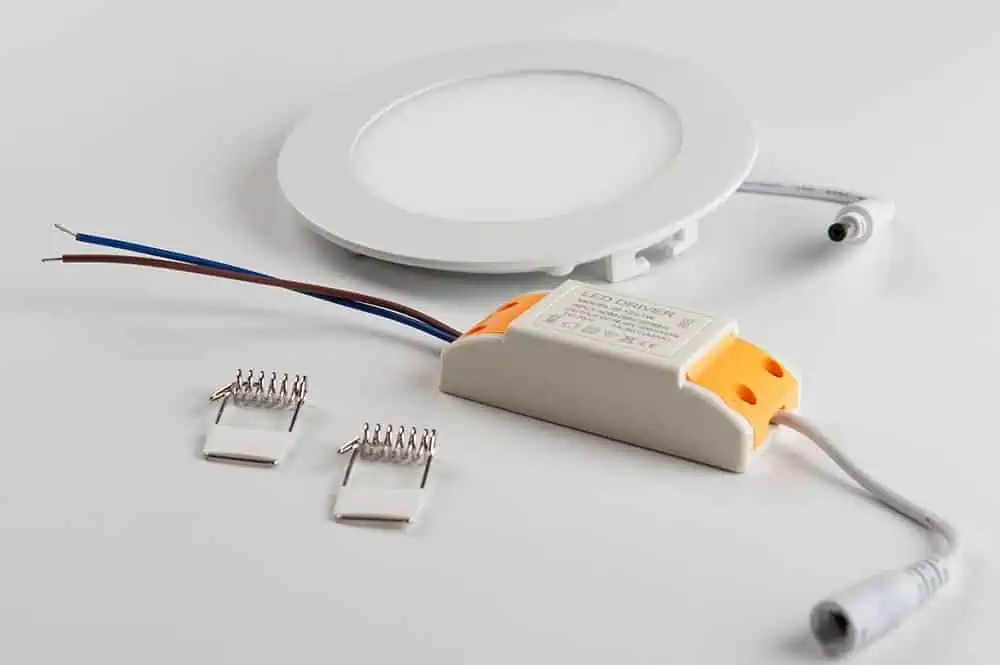
Constant Current LED Driver Description
A Constant Current LED Driver Regulates the output current so that it remains consistent as the input voltage or load changes. This feature is critical for powering LEDs as they require a constant current to operate properly.
How Constant Current LED Drivers Work
A constant-current driver regulates the voltage at the output to maintain a constant current. If the resistance across the LEDs increases due to temperature changes or other factors, the driver reduces the output voltage to keep the current constant.
The Concept of Thermal Runaway and How Constant Current LED Drivers Prevent It
Thermal runaway is a potential problem with LEDs. It occurs when an increase in temperature causes an increase in current, causing the LED to warm up even more, leading to a destructive cycle that ultimately damages the LED.
Constant-current drivers prevent this by maintaining a steady current in the face of temperature changes, effectively reducing the risk of thermal runaway.
Benefits of using constant current LED drivers
Constant-current drivers ensure that all LEDs connected in series are uniformly bright, thus enhancing overall visual uniformity. They are also effective in preventing LED burnout or thermal runaway.
Potential Disadvantages or Limitations
Despite these benefits, constant-current drivers can have limitations. For example, they need to be precisely matched to the current requirements of the LEDs and are often more expensive than constant voltage drivers.
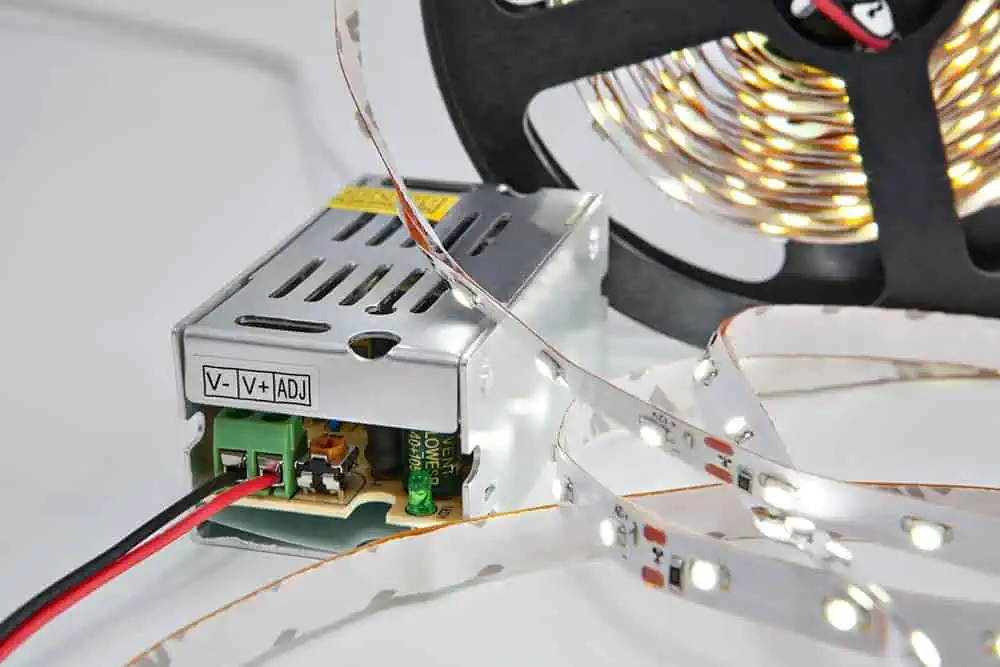
Constant Voltage LED Driver Description
A Constant Voltage LED Driver maintains a fixed voltage regardless of the current draw of the load. This is typically used in LED systems that are already equipped with resistors or on-board current control, such as LED strips.
How Constant Voltage LED Drivers Work
A constant voltage driver maintains the same voltage at its output regardless of the current load. This is especially useful when powering multiple LEDs connected in parallel.
Benefits of using constant voltage LED drivers
Design and installation engineers are familiar with constant voltage drivers and can simplify the setup process. Due to their simple design, they can potentially reduce the cost of larger scale applications.
Potential Disadvantages or Limitations
A major limitation of constant voltage drivers is their reliance on additional components to control the current in each LED unit. This makes the system more complex and potentially less reliable in the long run.
Choosing the right LED driver depends on a number of factors, including the voltage requirements of the particular LED or array, the number and arrangement of LEDs in the system (series or parallel), and the power conditions of your environment.
Tips for Selecting the Right LED Driver for Your Application
If the LEDs or arrays are specified for a specific voltage, a constant voltage driver is required. However, if you are using high-power LEDs, a constant current driver will help prevent thermal runaway and ensure consistent brightness.
LED Downlights, LED Panel Lights, LED Downlight, LED Panel Light, LED Spot Light, LED GU10 Spot Light